


How to Wash Clothes in a Hotel Sink Without Ruining Them
The fastest reliable routine: pre-rinse the garment, work in a small amount of concentrated liquid soap, knead it like dough for a couple of minutes, drain, rinse until the water runs clear, then towel-roll and hang. That sequence handles socks, underwear, and travel shirts in a short time of active work, and most synthetics are wearable again within a few hours.
Before you start, check the care label (skip anything marked dry-clean-only), avoid heavy denim or cotton that soaks up water and takes forever to dry, and call the front desk if you’re not sure a fabric can handle it. Keep this small kit within reach:
- Concentrated liquid soap (Dr. Bronner’s or Woolite)
- A travel sink stopper
- A packable travel clothesline
- A microfiber travel towel
- A stain-removal pen (Tide To Go or similar)
Key Takeaways
Sink washing works because concentrated soap, mechanical kneading, and a thorough rinse clean synthetics and merino wool in under 30 minutes.
| Point | Details |
|---|---|
| Stick to sink-friendly fabrics | Wash synthetics, merino, and lightweight underwear; skip denim, heavy cotton, and dry-clean-only items. |
| Follow the core sequence | Pre-rinse, soap, knead 2 to 3 minutes, drain, then rinse until the water runs clear. |
| Extract water gently | Wring sturdy synthetics but towel-roll delicates and knits to avoid stretching. |
| Give clothes airflow | Space items apart on a travel clothesline, shower rod, or hangers instead of stacking them. |
| Pack smarter to wash less | Stoiq’s vacuum compression bags let you fit more quick-dry fabrics in a carry-on, cutting how often you need the sink at all. |
Table of Contents
- What Fabrics Can You Wash in a Hotel Sink?
- How Do You Prep and Spot-Treat Clothes Before Washing?
- What’s the Full Step-by-Step Sink Washing Routine?
- How Do You Rinse and Remove Water Without Damaging Clothes?
- Where Should You Dry Clothes in a Hotel Room?
- What Should Be in Your Travel Laundry Kit?
- How Long Does Sink Washing Actually Take?
- Does Packing Lighter Reduce How Often You Need to Wash?
- Pack Lighter, Wash Less
- Frequently Asked Questions
- Sources
What Fabrics Can You Wash in a Hotel Sink?
Synthetics win this game every time. Polyester blends, quick-dry merino wool, nylon travel shirts, and lightweight underwear and socks all wash easily and dry fast because they don’t hold much water in their fibers. These are the fabrics sink-washing works best for, according to a comparison of travel laundry methods that clocks the whole process at roughly 20 to 30 minutes of active work.
Skip these in the sink:
- Denim and heavy cotton (they absorb too much water and take a full day or more to dry)
- Structured garments like blazers or anything with shoulder pads
- Dry-clean-only items, no exceptions
The care label settles most arguments. If it says hand-wash cold, you’re clear. If it says dry-clean only or the fabric feels stiff and heavy when wet, don’t risk it in a sink you can’t fully drain or rinse. When the label is worn off or ambiguous, treat the item like it’s more delicate than you think.
How Do You Prep and Spot-Treat Clothes Before Washing?
A little prep work now saves you a second wash later.
- Read the label and empty every pocket.
- Group heavier items separately from lighter ones so you’re not washing a t-shirt in the same water as a soaked pair of socks.
- Separate colors if you’re washing more than two or three pieces.
- Spot-treat any visible stain with a stain pen or a tiny dab of concentrated soap, rubbing gently in one direction so the stain lifts instead of spreading.
For the sink itself, give it a quick rinse or wipe down before you start. Many hotel sinks don’t have a working stopper, which is exactly why a flat travel sink stopper earns its spot in your kit. If you left it at home, a folded washcloth pressed into the drain works in a pinch. Never use the in-room kettle or coffee maker for laundry water, no matter how tempting it looks at 11 p.m.
Pro Tip: If you’re unsure whether a color will bleed, dab a diluted bit of detergent on an inside seam and press a white towel against it. If color transfers, wash that item alone.
What’s the Full Step-by-Step Sink Washing Routine?
Use the sink for one to three small items and low water volume. Switch to the tub or shower when you have more pieces, want a stronger rinse, or need room to swirl bigger garments. A tub also drains faster once you’re done, which matters if you’re sharing the bathroom.
- Pre-rinse each item under running water to loosen surface dirt.
- Add detergent: about a dime-sized amount of concentrated liquid soap for one to three items, mixed into a few inches of warm water.
- Agitate for 2 to 3 minutes, kneading and pressing the fabric the way you’d work bread dough.
- Soak for 10 to 15 minutes if the item is visibly dirty or sweaty; skip this step for a quick refresh.
- Drain the sink completely before rinsing.
For the rinse, refill the sink with clean water and press the garment repeatedly, draining and refilling one to three times depending on how much soap you used. Water flow matters here: a tub or shower rinses more thoroughly than a shallow sink basin, so use the shower head if the room has one and your item needs a real rinse.
A few extra notes:
- Concentrated liquid soap rinses out faster than powder, which is exactly why it’s the better travel choice.
- Most travel stains respond to mechanical action, not chemical strength. A short soak plus kneading motion usually does the job without extra soap.
- Business shirts and anything that needs to look sharp are better left to hotel laundry service.
Pro Tip: Slip socks and underwear over your hands like mitts and scrub them against each other. It cleans faster than kneading in a pile and won’t stretch out the elastic.
How Do You Rinse and Remove Water Without Damaging Clothes?
Rinse until the water runs completely clear, not just until it looks mostly clean. Fill, press the garment against the bottom of the sink, lift, and drain, repeating the cycle two or three times. If your bathroom has a detachable shower head, use it. Direct spray clears soap residue faster than any amount of hand-pressing in a sink.
Once the rinse is done, you need to get water out without stretching or damaging the fabric.
- Sturdy synthetics like polyester travel shirts can handle a gentle wring.
- Delicates and knits, especially merino, should never be wrung. Twisting stretches the fibers and can permanently distort the shape, so lay the item flat on a towel, roll it up, and press firmly instead.
Pro Tip: Pack two microfiber towels: one to press moisture out of the garment, and a dry one to lay flat as a hanging pad underneath drippy items overnight.
Where Should You Dry Clothes in a Hotel Room?
Airflow decides whether your shirt is wearable by morning or still damp at checkout. Give each item space and never layer wet garments on top of each other.
Good hanging spots, in order of usefulness:
- The shower curtain rod, especially with the bathroom fan running
- The towel rail, if you’re not stealing an actual towel from housekeeping’s rotation
- Hangers on the wardrobe rod, spaced a few inches apart
- A balcony rail, only if it’s safe, private, and the hotel allows it
- The AC vent or luggage rack, as a last resort for smaller items like socks
A packable travel clothesline strung across the shower gives you more hanging room than any fixed hotel fixture, and it doesn’t compete with your actual towels.
Drying times vary a lot by fabric. Synthetic underwear and socks are usually wearable in 1 to 3 hours. Merino wool takes longer, typically 2 to 6 hours. Cotton is the slow one: expect 8 to 16 hours or more, which is exactly why it’s the fabric you want to avoid sink-washing in the first place.
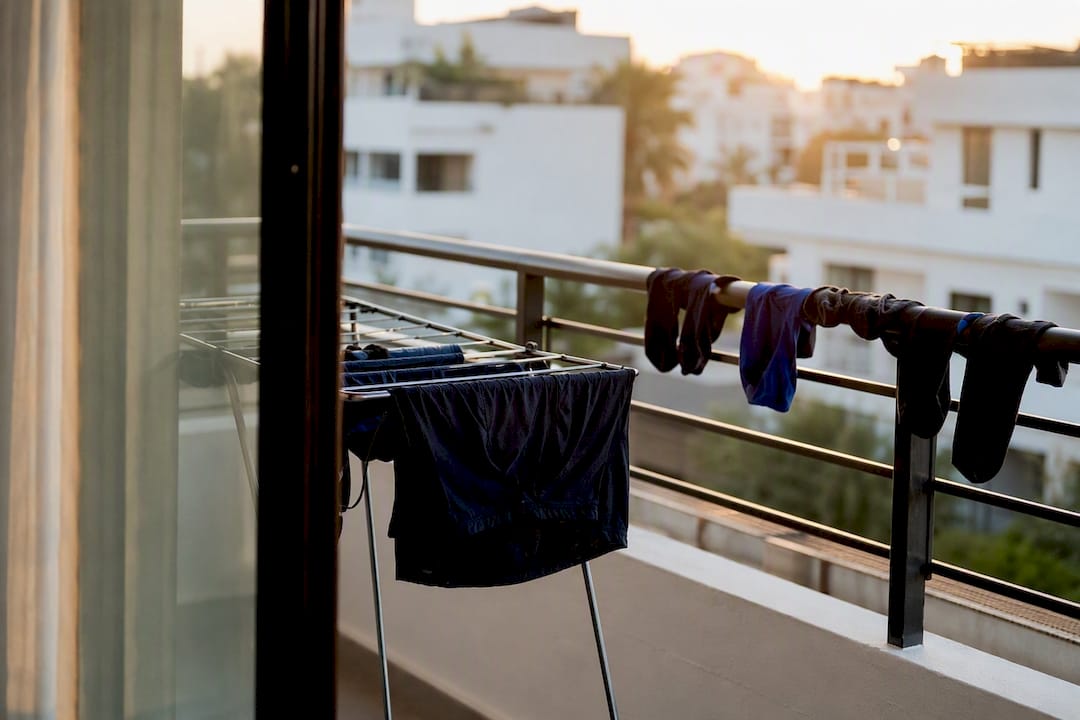
If something’s still damp at checkout, roll it in a dry towel for one more press, then pack it in a separate bag so it doesn’t dampen everything else in your suitcase. Some hotels have a communal dryer or laundry room. It’s worth asking, even if the front desk doesn’t advertise it.
What Should Be in Your Travel Laundry Kit?
A good sink laundry kit fits in a sandwich bag and never weighs down your carry-on.
- Concentrated liquid detergent (Dr. Bronner’s or Woolite) in a leak-proof travel bottle
- A stain-removal pen (Tide To Go or similar) for fast pre-treatment
- A universal sink stopper for hotels with missing or broken plugs
- A packable travel clothesline for drying space that doesn’t depend on hotel fixtures
- A microfiber towel for pressing water out of delicates
Nice-to-have extras include a collapsible basin or a heavy-duty gallon Ziploc bag that doubles as a portable wash tub for very small items, a couple of spare hangers, and a detergent sheet or strip if you’d rather skip liquids altogether. Keep the whole kit zipped inside your toiletry bag so you’re never digging through a suitcase at 10 p.m. looking for a stain pen.
How Long Does Sink Washing Actually Take?
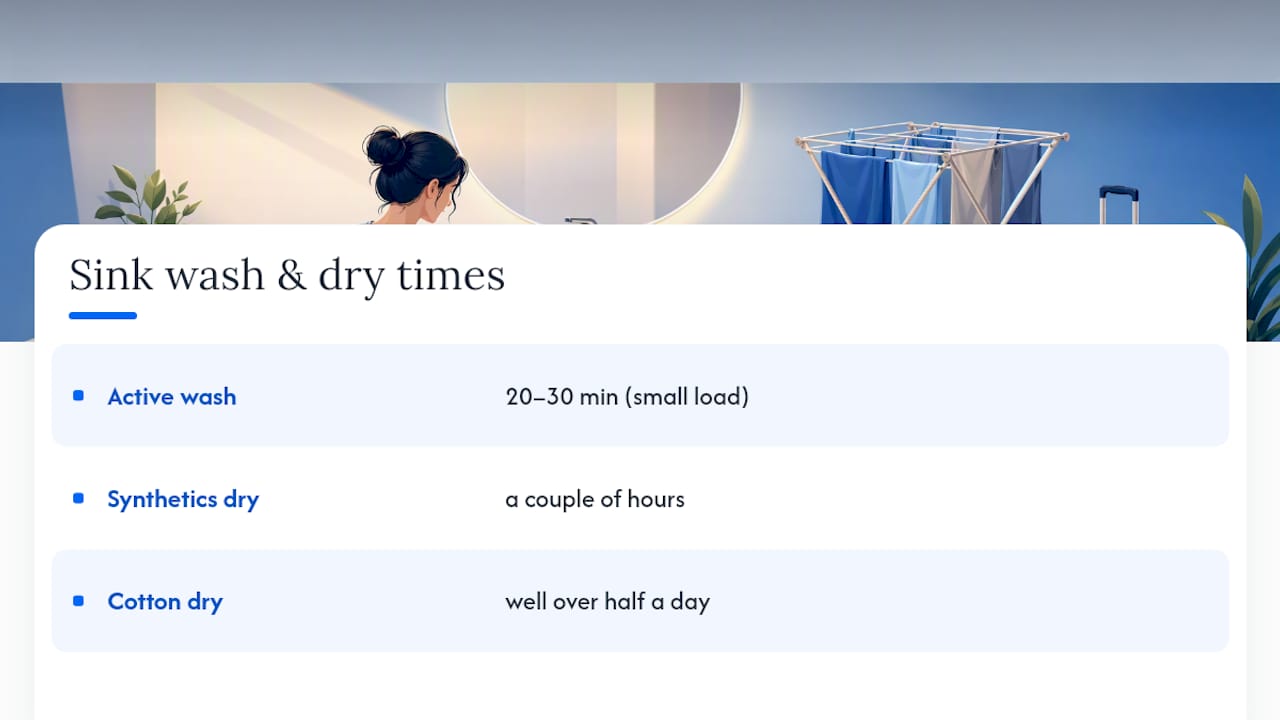
Budget 20 to 30 minutes of active time for a small load, pre-treatment and rinses included. That’s realistic for two to five small items like underwear, socks, or a single lightweight shirt. Drying takes longer than washing, running anywhere from a couple of hours for synthetics to well over half a day for cotton.
Here’s the honest version: sink washing gets you clean enough to keep moving, not laundry-day clean. Rick Steves, who’s about as seasoned a traveler as they come, treats his sink-washed clothes as roughly 65% as clean as a home wash and doesn’t lose sleep over it. If you’re washing more than five items or dealing with heavily soiled clothes, a laundromat or hotel laundry service will save you time and frustration.
Does Packing Lighter Reduce How Often You Need to Wash?
Fewer heavy cotton pieces and more synthetics and merino in your bag means fewer sink-wash sessions overall. Quick-dry fabrics simply need less water, less soap, and less time hanging over a shower rod, which changes how often you have to think about laundry at all.
This is where packing strategy and laundry strategy overlap. A vacuum compression bag lets you bring more of the right fabrics without blowing past your carry-on limit, since compressed synthetics and merino take up a fraction of the space that a folded stack of cotton shirts would.
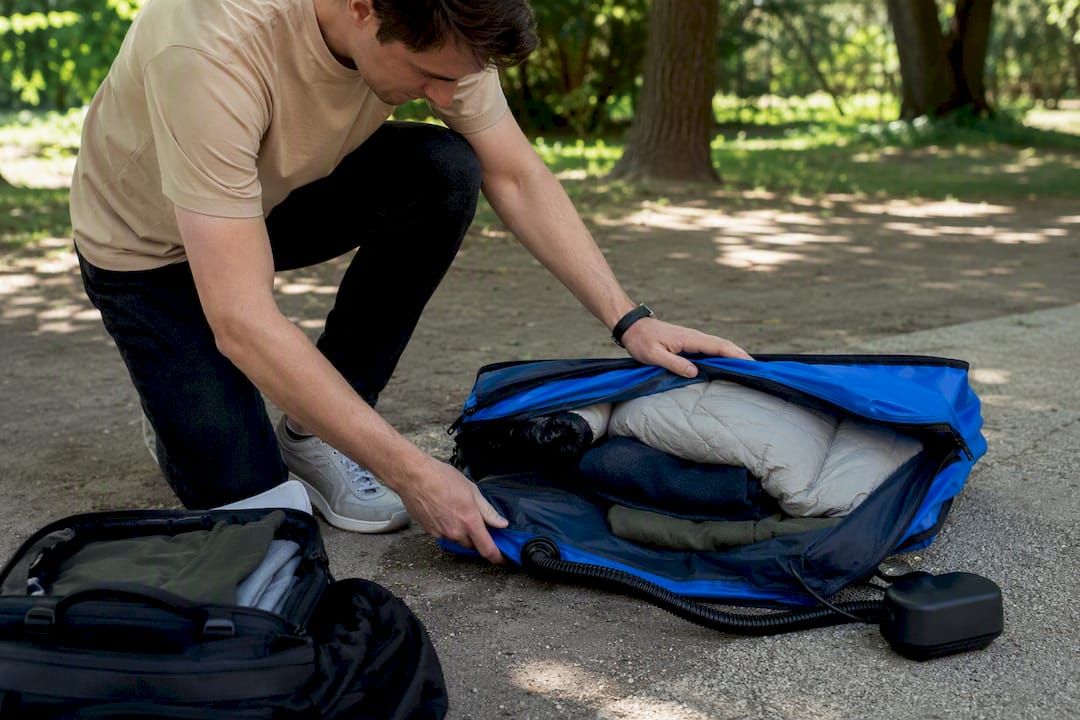
Travelers who pack two or three lightweight, quick-dry pieces for every heavy cotton item find themselves reaching for the sink far less often, and packing that many pieces efficiently usually comes down to how much air you can squeeze out of the bag.
Stoiq built its vacuum compression system around exactly this kind of packing math, and it’s part of why over 20,000 travelers have used it to fit more travel-friendly fabrics into less luggage.
A Traveler’s Take on Sink Washing
Washing underwear and socks every night in the sink keeps you from ever falling behind, while a dress shirt for a meeting is better handled by hotel laundry or a quick press service. When a fabric or stain looks uncertain, ask the front desk. They’ve seen every version of this question before, and a five-minute conversation beats ruining a shirt.
Pack Lighter, Wash Less
There are other ways to cut down on hotel-sink laundry: rotating more outfits, using a laundromat, or paying for hotel wash service when your schedule allows it. But the simplest fix starts before you ever leave home, in how you pack.
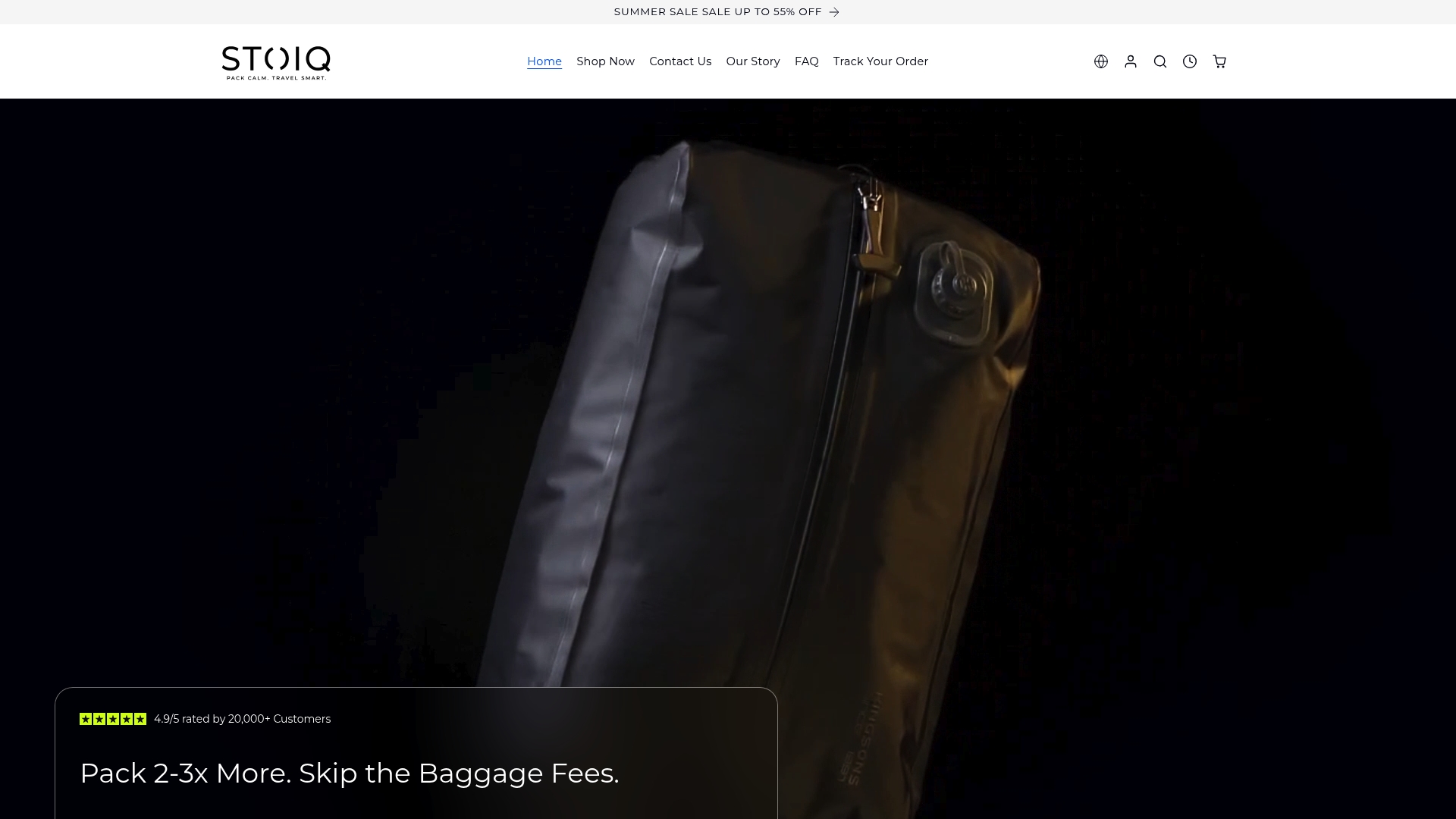
A vacuum compression bag with a built-in pump lets you bring two or three times more clothing in the same carry-on space, which means you can pack enough quick-dry synthetics and merino to go longer between sink washes instead of relying on one or two shirts you have to rewash constantly. No separate vacuum pump to carry, no guesswork on what fits. Check the Stoiq Carry-On Solution 20L and see how much more room you’d have for the fabrics that actually make hotel laundry easy.
Frequently Asked Questions
Can you wash clothes in a hotel sink without getting in trouble? Yes. Hand-washing a few personal items in your room’s sink is standard traveler practice and not something hotels object to, as long as you’re not soaking the bathroom floor or hanging wet clothes somewhere that damages fixtures.
How do you wash clothes in a hotel sink if there’s no stopper? Use a travel sink stopper if you packed one, or fold a washcloth and press it firmly into the drain. A heavy-duty gallon Ziploc bag also works as a makeshift basin for one or two small items.
What’s the best detergent for hand-washing clothes while traveling? Concentrated liquid detergents like Dr. Bronner’s or Woolite are the top picks because they rinse out faster than powder and take up almost no space in a toiletry bag.
How long does it take clothes to dry after a sink wash? Synthetic underwear and socks usually dry in 1 to 3 hours, merino wool takes 2 to 6 hours, and cotton can take 8 to 16 hours or longer, so plan cotton washes well ahead of when you need the item.
Is it better to use the sink, tub, or shower for hotel laundry? Use the sink for one to three small items when water volume doesn’t matter much. Switch to the tub or shower for anything that needs a stronger rinse or more room to move around in the water.
Sources
- How to Do Laundry While Traveling: Sink, Mat, or Hotel?
- How to Do Laundry in a Hotel Bathroom, According to a Pro
- How to Hand-Wash Clothes in the Sink
- Rick Steves: How to Wash Clothes in the Sink While Traveling - Business Insider
- How to Do Laundry When Traveling - Wash Clothes in a Hotel Sink
